
When Does a Diabetic Foot Wound Need a Plastic Surgeon?
By Dr. Sushrut Tated, plastic surgeon · Updated
A diabetic foot wound needs urgent care if it is infected, deep, black, or not improving within a couple of weeks. Most wounds heal with offloading, cleaning, dressings and infection control. A plastic surgeon helps when dead tissue needs surgical removal, or a clean wound needs a skin graft or flap to close. See diabetic foot treatment.

Dr. Sushrut explains diabetic foot treatment


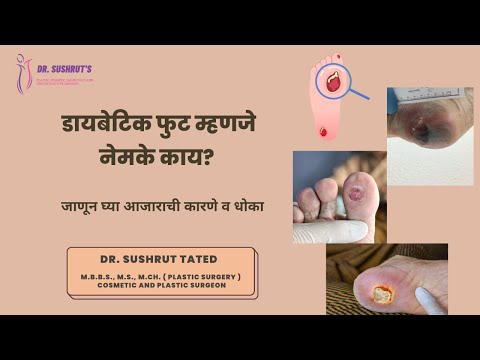

Why are diabetic foot wounds serious?
Diabetes can reduce feeling in the feet (neuropathy) and narrow the arteries that supply them. A small blister or crack can therefore go unnoticed, fail to heal and become infected. Infection can spread quickly into deeper tissue and bone. Early treatment is the most effective way to protect the foot.
What are the warning signs?
| Sign | What it may mean | Action |
|---|---|---|
| A new blister, cut or crack | Early wound | See a doctor or podiatrist within a day or two |
| Redness, warmth, swelling or pus | Infection | Same-day medical care |
| Spreading redness, fever, feeling unwell | Serious infection | Emergency care |
| Black, blue or grey skin | Loss of blood supply or gangrene | Emergency care |
| A hot, swollen foot without a wound | Possible Charcot foot | Urgent assessment |
| A wound not improving after 2 weeks | Healing has stalled | Specialist review |
Why do some wounds stop healing?
- Pressure: walking on a wound on the sole keeps damaging it.
- Poor blood flow: narrowed arteries starve the wound of oxygen.
- Infection, sometimes deep in the bone.
- Dead tissue and callus covering the wound.
- High blood sugar and smoking.
Who does what in diabetic foot care?
| Team member | Role |
|---|---|
| Diabetes doctor | Blood sugar control and overall health |
| Podiatrist | Callus care, offloading, footwear and prevention |
| Vascular surgeon | Checking and restoring blood flow with angioplasty or bypass |
| Wound-care nurse | Dressings and wound monitoring |
| Plastic surgeon | Surgical debridement, wound closure with grafts or flaps, and planning of minor amputations and stumps |
| Infectious disease or microbiology | Choosing antibiotics for complex infections |
The exact team varies by hospital, but the principle is the same: different specialists working together give a wound a better chance to heal.
When does a plastic surgeon help?
A plastic surgeon is usually involved when:
- Dead or infected tissue needs removing in theatre, and abscesses need draining.
- A clean wound is too large to close by itself in a reasonable time.
- Bone, tendon or a joint is exposed, needing a flap to cover it.
- A pressure area, such as the heel, needs durable, padded tissue.
- A toe or part of the foot must be removed, and the remaining foot needs a stable shape.
Wound closure is only attempted once infection is controlled, blood flow is adequate and pressure can be kept off the area. Grafts are explained under skin grafting surgery.
What happens at a wound assessment?
Expect the doctor to look at and measure the wound, gently probe it to see whether bone can be felt, test the feeling in your feet, check the pulses, and ask about your blood sugar control. An X-ray, blood tests or a swab may follow. Bring your medicines list, recent sugar readings and the shoes you usually wear.
Myths about diabetic foot wounds
- “If it does not hurt, it is not serious.” Nerve damage can hide severe infection.
- “Air helps wounds heal.” Wounds heal better under the right dressing.
- “Walking helps circulation, so walk on the ulcer.” Pressure on the ulcer stops healing; offloading is needed.
- “Amputation is inevitable.” Early, coordinated care saves many feet.
How can diabetic foot wounds be prevented?
- Check both feet every day, using a mirror or a family member’s help.
- Wash and dry the feet daily, especially between the toes.
- Moisturise dry skin, but not between the toes.
- Wear well-fitting shoes and socks indoors and out.
- Never use blades or corn plasters on calluses.
- Keep blood sugar, blood pressure and cholesterol under control, and stop smoking.
- Have your feet checked at least once a year, more often if you have had an ulcer.
What should you ask your doctor?
- Is my wound infected, and is the bone involved?
- Is my blood flow good enough for the wound to heal?
- How should I offload the foot?
- Will the wound need surgery to close?
For a full description of treatment, recovery and cost factors, see diabetic foot treatment. Slow-healing wounds from other causes are covered under chronic wound treatment.
Frequently asked questions
How quickly should a diabetic foot wound be seen?
Any new wound on the foot of a person with diabetes should be checked within a day or two. Signs of infection, spreading redness, fever, or black or blue skin need same-day emergency care.
Why does a diabetic foot wound heal slowly?
Continued pressure from walking, reduced blood flow, high blood sugar, infection, smoking and dead tissue in the wound all slow healing. Each needs to be addressed.
Can a diabetic foot wound be closed with a skin graft?
Yes, once the wound is clean, infection is controlled and blood flow is adequate. Grafts suit shallow wounds away from pressure points; flaps are used for deeper wounds or areas that take weight.
Do all diabetic foot wounds lead to amputation?
No. Many heal with early, coordinated treatment. When part of a toe or foot cannot be saved, a planned minor amputation can protect the rest of the foot.
What can I do at home to prevent foot wounds?
Check your feet every day, never walk barefoot, wear well-fitting shoes with socks, keep your skin moisturised but dry between the toes, and see a professional for corns, calluses and nail problems.
References
- Practical guidelines on the prevention and management of diabetes-related foot disease. International Working Group on the Diabetic Foot (IWGDF), 2023.
- Diabetic foot problems: prevention and management (NG19). National Institute for Health and Care Excellence (NICE).
- Diabetic Foot Ulceration and Complications (StatPearls). NCBI Bookshelf, StatPearls Publishing.
- Skin Grafting (StatPearls). NCBI Bookshelf, StatPearls Publishing.


