
Pilonidal Sinus Surgery in Pune: Flap and Off-Midline Repair
Pilonidal sinus surgery removes the infected tracts and pits in the cleft between the buttocks. The wound is either left open to heal from the base, or closed with a flap that moves the scar away from the midline. Evidence favours off-midline closure over a midline stitch line because it heals faster and recurs less often.

Dr. Sushrut explains pilonidal sinus surgery


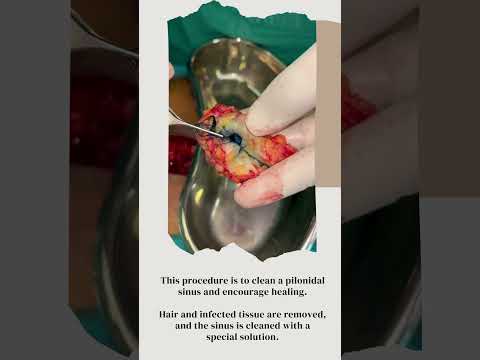


What each video covers
- Pilonidal sinus explainedDr. Sushrut explains pilonidal sinus, with a patient testimonial.
- Healing pilonidal sinusA patient’s story and the surgery used to treat the sinus.
- Surgical removalTreatment of pilonidal sinus by surgical removal.
- Pilonidal sinus (Hindi)A complete overview of pilonidal sinus, in Hindi.
Very minimal cut or small incision, closed with double-layered cosmetic sutures. A very thin, minimal scar is expected after surgery.
What is a pilonidal sinus?
A pilonidal sinus is a small channel or pit in the skin of the natal cleft, the groove at the upper end of the buttocks. Loose hairs are drawn into the skin by friction and movement, and the body reacts to them as foreign material, forming tracts that can fill with hair and debris and become infected.
It is most common in young adults, particularly men, and in people who sit for long periods, have thick or coarse body hair, or carry extra weight.
Symptoms include:
- one or more small pits in the midline of the cleft;
- pain and swelling, especially when sitting;
- discharge of pus or blood, sometimes with an unpleasant smell;
- a tender, red swelling (an abscess) during a flare-up.
When should you seek urgent help?
A rapidly enlarging, very painful red swelling, especially with fever, is likely an abscess and needs same-day medical care. Drainage relieves the pain quickly; planned surgery follows once the infection has settled.
Who may benefit, and how is it assessed?
Surgery is advised for a sinus that keeps discharging or becoming infected. The surgeon examines the cleft to count the pits, find any openings to the side, and judge how deep and widespread the tracts are. Previous operations, recurrences and your work and sitting needs all shape the plan.
What are the treatment options?
| Option | Suits | Points to consider |
|---|---|---|
| Hair removal and hygiene | Mild disease; also after any surgery | Ongoing; reduces flare-ups |
| Drainage of abscess | Acute infection | Relieves symptoms; most people need later treatment |
| Minor pit procedures (pit picking, sinus-guided techniques) | Small, limited disease | Quick recovery; recurrence higher in extensive disease |
| Excision with open healing | Extensive or repeatedly infected disease | Low recurrence, but daily dressings for weeks to months |
| Excision with midline closure | Now generally avoided | Higher rates of wound breakdown and recurrence |
| Excision with off-midline flap closure (Karydakis, cleft lift, Limberg) | Chronic and recurrent disease | Faster healing; flattens the cleft; scar placed to the side |
A Cochrane review found a clear benefit for off-midline rather than midline closure. The American Society of Colon and Rectal Surgeons’ guideline covers the full range of options, from abscess drainage to flap repair. Long-standing open wounds are covered under chronic wound treatment.
How is flap surgery performed?
- Anaesthesia: spinal or general anaesthesia, with you lying face down.
- Identification: the pits and tracts are mapped, sometimes with a dye.
- Excision: all the diseased tissue is removed.
- Flap closure: nearby skin and fat are moved to fill the gap and flatten the cleft, so the final scar lies away from the midline.
- Closure: layered stitches, sometimes with a drain.
How should you prepare, and what should you ask?
- Treat any active infection first.
- Remove hair from the area as advised before surgery.
- Plan one to two weeks away from long periods of sitting.
- Arrange loose clothing and a cushion for the journey home.
Questions to ask:
- Is my disease suitable for a minor procedure, or do I need a flap?
- Where will the scar be?
- How long should I avoid sitting, driving and sport?
- What can I do to stop it coming back?
What is recovery like?
| Time | What to expect for most patients |
|---|---|
| Days 1-3 | Soreness; lie on your side or front; drain removed if used |
| Weeks 1-2 | Short walks; limited sitting; many return to desk work towards the end |
| Weeks 2-3 | Stitches removed; wound check |
| Weeks 4-6 | Return to sport and full activity once healed |
| Long term | Keep the area clean and hair-free |
What are the risks?
- Wound infection or breakdown, which may need dressings until it heals.
- Fluid collection (seroma) under the flap.
- Recurrence, lower with off-midline techniques but still possible.
- Numbness around the scar.
- Scar visibility or discomfort.
Contact the surgeon for increasing pain, redness, discharge, fever or a wound that opens.
What results can you expect?
Most people heal within a few weeks after flap surgery and return to normal life without the repeated flare-ups. Keeping the cleft clean and hair-free afterwards reduces the chance of new disease.
What happens if a pilonidal sinus is not treated?
A pilonidal sinus that causes no symptoms and shows no signs of infection does not need treatment, only good hygiene and watchfulness. Once it starts to flare, however, it rarely settles for good on its own. Hair and debris stay trapped in the tracts, so infections tend to return, sometimes as a painful abscess. With each episode the tracts can branch and spread sideways, so the eventual operation may need to remove more tissue.
Non-surgical measures are reasonable for mild disease: keeping the cleft clean and dry, avoiding long periods of sitting, and hair removal as advised by your doctor. Antibiotics can help when infection spreads into the surrounding skin. A sinus that keeps discharging or becoming infected usually needs surgery.
Common myths about pilonidal sinus
- “A pilonidal sinus is a type of piles or anal fistula.” It is a separate condition in the skin of the buttock cleft and is not connected to the back passage.
- “It only happens to people who do not wash properly.” Hair being pushed into the skin by friction and sitting is the main cause, so it occurs in very clean people too.
- “A course of antibiotics will cure it.” Antibiotics can calm an infection, but they cannot remove the hair and tracts, so the sinus usually flares again.
- “After surgery it can never come back.” Recurrence is possible after any technique, which is why hygiene and hair care continue afterwards.
What affects the cost of pilonidal sinus surgery in Pune?
- Extent of disease and whether it is a first or repeat operation.
- Technique: minor procedure, open healing or flap closure.
- Anaesthesia and hospital stay.
- Dressings, hair removal and follow-up visits.
Pilonidal sinus surgery is a medical treatment, so it may be covered by health insurance, subject to your policy.
Questions about pilonidal sinus surgery
Which pilonidal surgery has the lowest recurrence?
Studies show off-midline closure techniques, such as the Karydakis, cleft lift and Limberg flaps, heal faster and tend to recur less than a simple midline stitch line. Leaving the wound open also has low recurrence but takes much longer to heal. The choice depends on the extent of disease.
Can a pilonidal sinus heal without surgery?
Mild disease with a few small pits may settle with hair removal, hygiene and minor procedures. A sinus that keeps discharging or becoming infected usually needs surgery.
How long does it take to recover from pilonidal flap surgery?
Many people return to desk work after about one to two weeks, and to full activity and sport after about four to six weeks, once the wound is healed.
What happens if a pilonidal abscess forms?
A painful, swollen, red lump needs prompt medical care. It is usually drained through a small cut away from the midline. Definitive surgery is planned once the infection has settled.
Can I sit after pilonidal sinus surgery?
Sitting directly on the wound is limited for the first one to two weeks. Short periods of sitting, leaning to one side or using a cushion are usually advised.
How do I stop a pilonidal sinus coming back?
Keep the cleft clean and dry, remove hair from the area regularly (laser hair removal is an option), avoid long periods of sitting, and maintain a healthy weight.
What patients say.
“Operated with V-Y advancement flap surgery for my pilonidal sinus. Very good treatment and very happy with the result.”
Consultation for pilonidal sinus surgery
Consultations are in person at Dr Sushrut’s Plastic and Cosmetic Surgery Clinic, Sayar Clinic, Ayodhya Complex, in front of Canara Bank, Bibwewadi, Pune 411037. Hours: Monday to Saturday, 5-9 pm.
Appointments are booked by phone call or WhatsApp on +91 98904 34447 (WhatsApp). Bring any previous reports, prescriptions and a list of your current medicines.
References
- Pilonidal sinus. NHS.
- The American Society of Colon and Rectal Surgeons' Clinical Practice Guidelines for the Management of Pilonidal Disease. Johnson EK et al., Diseases of the Colon & Rectum, 2019.
- Midline and off-midline wound closure methods after surgical treatment for pilonidal sinus (Cochrane review). Cai Z et al., Cochrane Database of Systematic Reviews.
- Healing by primary versus secondary intention after surgical treatment for pilonidal sinus (Cochrane review). Cochrane Database of Systematic Reviews.


