
What Are the Pilonidal Sinus Surgery Options, and Which Is Right for You?
By Dr. Sushrut Tated, plastic surgeon
Pilonidal sinus surgery options range from draining an abscess and minor pit procedures to removing the sinus and either leaving the wound open or closing it with a flap. Leaving the wound open has low recurrence but heals slowly. Off-midline flap closure heals faster than a midline stitch line and is widely used for chronic disease. See pilonidal sinus surgery.

Dr. Sushrut explains pilonidal sinus surgery


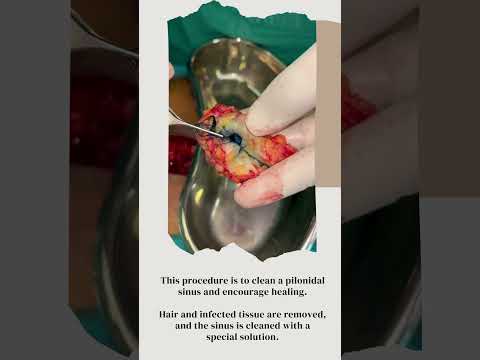


What is a pilonidal sinus?
A pilonidal sinus is a small tract in the skin of the cleft between the buttocks, usually caused by loose hairs pushed into the skin. It can flare up as a painful abscess or discharge pus and blood over months or years. It is most common in young adults, especially men who sit for long periods or have thick body hair.
What are the options?
| Option | What it involves | Healing | Points to consider |
|---|---|---|---|
| Hair removal and hygiene | Shaving, creams or laser; keeping the area clean | Ongoing | Reduces flare-ups; used with all options |
| Abscess drainage | Small cut, usually to the side, to release pus | Days to weeks | Relieves pain; the sinus often remains |
| Pit picking and minor procedures | Small pits removed; tracts cleaned | Quick | Suits limited disease; recurrence higher in extensive disease |
| Phenol or other agents | Chemical applied into the tracts | Quick | Used in some centres; may need repeating |
| Excision with open healing | Tract removed; wound left to heal from the base | Weeks to months | Low recurrence; daily dressings |
| Excision with midline closure | Wound stitched in the midline | Faster if it heals | Higher rates of breakdown and recurrence |
| Excision with off-midline flap | Karydakis, cleft lift or Limberg flap moves the scar to the side | A few weeks | Faster healing; flattens the cleft |
What does the evidence say?
A Cochrane review comparing closure techniques found a clear benefit for off-midline rather than midline closure. Earlier Cochrane work comparing open healing with closure found open wounds had fewer recurrences but took longer to heal. Guidelines from the American Society of Colon and Rectal Surgeons cover the full range, from drainage of acute abscesses to definitive surgery. In practice, the choice depends on how extensive the disease is and what matters most to you, such as healing time or recurrence risk.
Which option suits which situation?
- First painful abscess: drainage, then hair removal and review.
- A few small pits, little discharge: minor procedures with hair removal.
- Chronic or recurrent disease: excision with an off-midline flap, or open healing if a flap is unsuitable.
- Previous failed midline surgery: often an off-midline flap or cleft lift.
What is recovery like after flap surgery?
Expect soreness for a few days, limited sitting for one to two weeks, and a return to desk work after about one to two weeks. Stitches come out at around two to three weeks. Full activity and sport usually resume after four to six weeks. Keeping the area hair-free continues afterwards.
How can recurrence be prevented?
- Keep the cleft clean and dry, especially after exercise.
- Remove hair from the area regularly, by shaving, creams or laser hair removal.
- Avoid long periods of sitting; take breaks if you drive or work at a desk.
- Maintain a healthy weight.
- Attend follow-up visits and report any new pit, swelling or discharge early.
What happens if a pilonidal sinus is not treated?
Some quiet sinuses cause few problems, but many flare up repeatedly with painful abscesses, discharge and time off work or study. Repeated infection can enlarge the tracts and make later surgery more extensive. Rarely, a long-standing, untreated sinus can develop more serious complications, which is another reason to have persistent symptoms assessed.
Myths about pilonidal sinus
- “It is caused by poor hygiene.” Hair, friction and sitting matter more.
- “Antibiotics will cure it.” They help acute infection but not the sinus itself.
- “Every operation leaves a large open wound.” Flap techniques close the wound.
- “Once treated, it can never return.” Recurrence is possible, which is why prevention continues.
When should you seek urgent help?
A rapidly enlarging, very painful red swelling, especially with fever, is likely an abscess and needs same-day medical care.
What should you ask your surgeon?
- How extensive is my disease?
- Would a minor procedure work, or do I need excision?
- Open healing or a flap: what are the trade-offs for me?
- How long will I need off work and away from sitting?
For details of flap surgery, risks and cost factors, see pilonidal sinus surgery. Other skin lumps are compared in lipoma vs sebaceous cyst.
Frequently asked questions
Which pilonidal surgery has the lowest recurrence?
Open healing and off-midline closure techniques have lower recurrence than a simple midline closure. Off-midline flaps heal much faster than open wounds, which is why they are often preferred for chronic disease.
Can a pilonidal sinus be treated without a large operation?
Small, limited disease can often be treated with minor procedures such as pit picking or sinus-guided techniques, combined with hair removal. Extensive or recurrent disease usually needs excision.
How long does an open pilonidal wound take to heal?
Often weeks to a few months, with regular dressings. Healing time depends on the size of the wound.
Do I need surgery for a pilonidal abscess?
An abscess needs drainage, usually through a small cut away from the midline. Planned surgery for the underlying sinus follows once the infection has settled, if needed.
Does hair removal help?
Keeping the cleft hair-free, by shaving, creams or laser, is commonly advised before and after treatment to reduce recurrence.
References
- Pilonidal sinus. NHS.
- The American Society of Colon and Rectal Surgeons' Clinical Practice Guidelines for the Management of Pilonidal Disease. Johnson EK et al., Diseases of the Colon & Rectum, 2019.
- Midline and off-midline wound closure methods after surgical treatment for pilonidal sinus (Cochrane review). Cai Z et al., Cochrane Database of Systematic Reviews.
- Healing by primary versus secondary intention after surgical treatment for pilonidal sinus (Cochrane review). Cochrane Database of Systematic Reviews.


