
Acne Scars Treatment: Ice Pick, Boxcar and Rolling Scars Explained
By Dr. Sushrut Tated, plastic surgeon
Acne scars treatment depends on the scar type. Ice pick scars respond to focused chemical treatment or punch techniques, boxcar scars to lasers and punch methods, and rolling scars to subcision or fat grafting. Most people need a combination over several sessions. Deep or tethered scars may need scar revision surgery. No method erases scars completely.

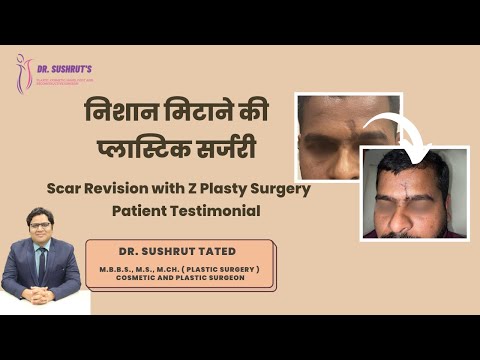
Dr. Sushrut explains scar revision surgery


What are acne scars?
Acne scars form when deep, inflamed pimples damage the collagen in the skin. Most acne scars are atrophic, meaning they sit below the skin surface because tissue has been lost. A smaller number are raised (hypertrophic scars or keloids), most often on the jawline, chest and back.
On social media, “skinmaxxing” routines promise “glass skin” with layers of products. Good skin care helps acne and marks, but it cannot lift a true scar. Scars change the structure of the skin, so they need treatments that work at that level.
What are the types of acne scars?
| Scar type | What it looks like | Treatments often used |
|---|---|---|
| Ice pick | Narrow, deep pits, like a puncture | Focused chemical treatment (TCA CROSS), punch excision or punch grafting |
| Boxcar | Round or oval dips with sharp edges | Fractional laser, punch elevation or excision, peels, microneedling |
| Rolling | Wide, soft dips with sloping edges that make skin look wavy | Subcision, fat grafting or fillers, microneedling |
| Raised (hypertrophic or keloid) | Firm bumps, often on jawline, chest, back | Steroid injections, silicone, laser |
| Pigmentation (not a true scar) | Flat brown or red marks | Sun protection, prescription creams, time |
Most faces have a mix, which is why treatment is usually a combination.
How do the main treatments compare?
| Treatment | How it works | Downtime | Points to weigh |
|---|---|---|---|
| Chemical peels and TCA CROSS | Controlled injury that stimulates collagen | Days to a week | Pigmentation risk in brown skin if too strong |
| Microneedling, with or without PRP | Tiny needle injuries trigger repair | 1 to 3 days of redness | Several sessions; PRP may add a little benefit |
| Fractional laser (for example CO2) | Resurfaces skin in tiny columns | About a week | Several sessions; careful settings for darker skin |
| Subcision | A needle releases bands tethering the scar down | Bruising for 1 to 2 weeks | Suits rolling scars well |
| Punch techniques | Cutting out or lifting individual scars | 1 to 2 weeks | For deep, isolated ice pick or boxcar scars |
| Fat grafting or fillers | Adds volume under depressed scars | Days to 2 weeks | Fillers are temporary; some fat is reabsorbed |
| Scar revision surgery | Cuts out larger scars and closes them neatly | 1 to 2 weeks | Swaps a pit for a fine line |
A review of surgical options in skin of colour, published in an Indian journal, and studies of subcision with microneedling in darker skin, support combining methods while keeping the risk of post-inflammatory pigmentation low.
How is a treatment plan usually staged?
Acne scar treatment is rarely a single visit. A typical plan looks like this:
- Control active acne first, with skin care and prescription treatment if needed, because new breakouts create new scars.
- Map the scars by type and depth, ideally in good side lighting.
- Treat deep, individual scars first, for example with punch techniques or focused chemical treatment, because these respond poorly to resurfacing alone.
- Release tethered scars with subcision, and add volume with fat grafting or fillers where the skin is sunken.
- Resurface the overall texture with fractional laser, microneedling or peels over several sessions.
- Protect the result with sun protection and acne prevention.
Improvement builds gradually over months, and it helps to compare photographs taken in the same lighting rather than judging in the mirror.
Can acne scars be prevented?
Not always, because genetics plays a part, but the risk can be lowered. Treat acne early rather than waiting for it to “run its course”, especially deep, painful or cystic spots. Avoid picking, squeezing or popping pimples. If over-the-counter products have not helped within a couple of months, see a doctor, as prescription treatment can stop the deeper breakouts that cause most scarring. People with a parent or sibling who has acne scars benefit most from early treatment.
Why does skin colour matter?
Brown skin, common in India, is more likely to darken after inflammation. Aggressive lasers or strong peels can leave patches darker than the scars were. A cautious plan may include preparing the skin beforehand, gentler settings, longer gaps between sessions and strict sun protection afterwards.
Which DIY trends should you avoid?
- Home dermarollers and derma pens, which can cause infection, pigmentation and new scars.
- Strong acids bought online, used without supervision.
- Squeezing or picking pimples, which increases inflammation and scarring.
- “Scar removal” creams that promise to erase scars. Evidence for most over-the-counter scar products is limited.
Myths about acne scars
- “Scars fade on their own if you wait.” Pigmentation often fades; true pitted scars usually do not.
- “One laser session will fix them.” Most plans need several sessions and more than one method.
- “Toothpaste or lemon juice helps.” These irritate the skin and can worsen pigmentation.
- “Scars mean you did not look after your skin.” Scarring depends a lot on genetics and how deep the acne was.
When should you see a doctor?
- You still get deep, painful pimples or cysts: treating acne early is the most effective way to prevent new scars.
- You have pitted or wavy scars that have not improved after acne has settled.
- Scars are raised, itchy or growing, which may be keloids.
- Scarring is affecting your confidence or how you go about your day.
Acne and its scars can weigh heavily on self-esteem. If it is affecting your mood, talk to a doctor or call the free Tele MANAS helpline on 14416.
What should you ask at a consultation?
- Which scar types do I have, and which treatment suits each?
- How many sessions might I need, and how far apart?
- What is my risk of pigmentation, and how will you reduce it?
- Would surgery, subcision or fat grafting help any of my scars?
For deeper or larger scars, see scar revision surgery. You can also compare options in scar revision surgery or laser, and read about fat grafting and PRP therapy.
Frequently asked questions
Are dark spots after acne the same as acne scars?
No. Flat brown or red marks after pimples are usually post-inflammatory pigmentation, which often fades over months with sun protection and skin care. Scars change the skin surface, as dips or bumps.
Can acne scars be removed completely?
No treatment removes them completely. Treatment aims to make scars shallower and less noticeable, and most people see a meaningful improvement over several sessions.
Should I treat acne scars while I still get pimples?
Active acne is usually controlled first, because new breakouts create new scars and inflamed skin heals less predictably after procedures.
Is a dermaroller at home safe?
Home rollers are not sterile in the way clinic devices are, and pressing hard or sharing a roller can cause infection, pigmentation and more scarring. Microneedling for scars is better done by a trained doctor.
Is laser safe for Indian skin?
It can be, with the right settings and preparation. Brown skin has a higher risk of darkening after aggressive lasers or peels, so a cautious plan and sun protection matter.
How many sessions will I need?
It varies with the scar type and depth. Lasers, peels and microneedling are usually done in a series spaced weeks apart, and surgery may be one step in a longer plan.
References
- Acne scars: Consultation and treatment. American Academy of Dermatology.
- A systematic review of treatments for acne scarring. Part 1: Non-energy-based techniques. PubMed Central.
- Evidence-based Surgical Management of Post-acne Scarring in Skin of Color. Journal of Cutaneous and Aesthetic Surgery.
- Subcision and Microneedling as an Inexpensive and Safe Combination to Treat Atrophic Acne Scars in Dark Skin: A Prospective Study of 45 Patients at a Tertiary Care Center. Journal of Clinical and Aesthetic Dermatology, 2019.


