
Burn First Aid at Home: What Should You Do in the First Minutes?
By Dr. Sushrut Tated, plastic surgeon
Burn first aid starts with cool running tap water on the burn for 20 minutes, as soon as possible. Remove rings and clothing near the burn unless stuck, keep the person warm, and cover the burn loosely with cling film or a clean cloth. Never use ice, toothpaste, ghee or creams. Large, deep or facial burns need hospital care; see acute burns.

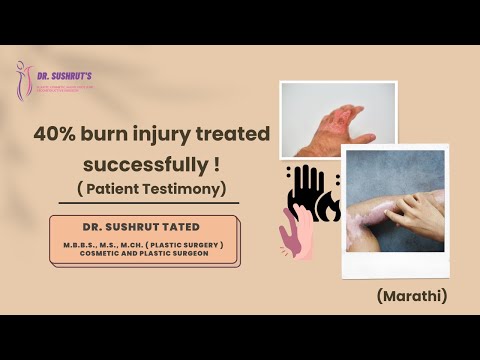
Dr. Sushrut explains acute burns


Why does burn first aid matter so much?
Burns are common in Indian homes: hot tea and milk, cooking oil, pressure cookers, gas stoves, firecrackers and hot bath water. What happens in the first few minutes changes how deep the burn becomes, how much it hurts and whether it scars. Cooling the skin stops heat from carrying on damaging the deeper layers.
If the burn is large, the person is struggling to breathe, or they have been in a fire or an electrical accident, call 108 or 112 first, then start cooling while you wait.
Burn first aid step by step
- Stop the burning. Move away from the heat. Put out flames by having the person stop, drop and roll, or by smothering them with a blanket.
- Cool the burn under cool running water for 20 minutes. Tap water is right; it does not need to be very cold. Do this as soon as possible, and still do it if up to about three hours have passed.
- Remove rings, watches, bangles and clothing near the burn. Swelling starts quickly. Leave anything that is stuck to the skin.
- Keep the person warm. Cool only the burn, not the whole body. Wrap the rest of them in a blanket, especially children.
- Cover the burn loosely. A layer of cling film (laid on, not wrapped tightly) or a clean, non-fluffy cloth or plastic bag for a hand works well.
- Treat pain. Paracetamol or ibuprofen in the usual dose can help, if the person can take them.
- Decide whether it needs a doctor using the checklist below.
What should you never put on a burn?
| Avoid | Why |
|---|---|
| Ice or iced water | Can deepen the injury and chill the person |
| Toothpaste | Traps heat, irritates and can cause infection |
| Ghee, butter, oil | Holds heat in the skin and attracts infection |
| Turmeric or home pastes | Hard to clean off and hides the burn’s depth |
| Fluffy cotton or wool | Sticks to the wound |
| Bursting blisters | Opens the skin to infection |
| Adhesive plasters | Tear the skin when removed |
How do you tell how serious a burn is?
| Type | How it looks | Usual course |
|---|---|---|
| Superficial | Red and painful, no blisters (like sunburn) | Heals in about a week |
| Partial thickness | Blisters, pink or red, very painful | Heals in two to three weeks if shallow; deeper ones may need a dressing plan or grafting |
| Full thickness | White, brown, leathery or charred; may hurt less because nerves are damaged | Needs hospital care and often skin grafting surgery |
A burn’s depth can change over the first two days, so a burn that looks mild on day one may need review.
When should you go to hospital?
Go to a hospital emergency department if:
- the burn is larger than the person’s palm (including fingers);
- it is deep, white, brown or charred, even if it does not hurt much;
- it is on the face, neck, hands, feet, a joint or the genitals;
- it is an electrical burn, a chemical burn or a burn from a fire in a closed space (smoke can damage the airway);
- the person is a child under five, older, pregnant, or has diabetes or another illness;
- the burn goes all the way around a limb or the chest.
See a doctor within a day or two for smaller burns that blister, burns that are not healing after about two weeks, or any sign of infection: spreading redness, swelling, pus, a bad smell or fever.
Chemical and electrical burns
Chemical burns (acid, drain cleaner, some hair products): wear gloves, brush off any dry powder, remove contaminated clothing and rinse with running water for at least 20 minutes, then go to hospital with the product’s name.
Electrical burns: switch off the power before touching the person. Even a small skin mark can hide deep damage and heart rhythm problems, so every electrical burn needs a hospital check.
What happens after the first aid?
Most small burns heal with dressings, pain relief and time. Deeper burns may need specialist dressings, removal of dead tissue and skin grafts. A plastic surgeon also plans for later healing: burns across joints, the neck and the hands can tighten as they heal, so splints, pressure garments and early movement help prevent stiffness. If tight or thick scars do form, they can be treated later; see burn scar treatment and post-burn contracture of the hand.
How can burns be prevented at home?
- Keep children out of the kitchen while cooking; turn pan handles inward.
- Use the back burners where possible and keep a lid nearby to smother an oil fire.
- Check bath water with your elbow before bathing a child.
- Keep hot drinks, kettles and irons out of reach and away from table edges.
- Store chemicals in their original containers, high up and locked.
- Supervise children closely during Diwali and use firecrackers outdoors only.
Myths about burns
- “Cold water makes a burn worse.” Cool running water is the single most useful first aid step.
- “Toothpaste cools the burn.” It traps heat and irritates the skin.
- “A burn that does not hurt is not serious.” Deep burns can hurt less because they damage nerves.
- “Blisters should be popped so they heal faster.” Intact blisters protect healing skin.
When should you see a plastic surgeon?
See a burns or plastic surgery team for any deep burn, a burn on the face, hands, feet or joints, a burn that has not healed in two to three weeks, or a healed burn that is tightening or thickening. For care of fresh burns, see acute burns, and for the full range of burn care, see burns treatment.
Frequently asked questions
Is it too late to cool a burn after an hour?
No. Cooling with running water still helps for up to about three hours after the burn, so start as soon as you can even if some time has passed.
Should I put ice on a burn?
No. Ice and iced water can damage the skin further and make a person, especially a child, dangerously cold. Use cool running tap water instead.
Should I burst a burn blister?
No. The blister protects the healing skin underneath. Leave it intact and have it checked if it is large, painful or on the face, hands or genitals.
Can I put toothpaste, ghee or turmeric on a burn?
No. These trap heat, can cause infection and make it harder for a doctor to judge how deep the burn is. Cool running water is the only home treatment needed at first.
When does a burn need a hospital?
Go to hospital for burns larger than the person's palm, deep burns that look white, brown or charred, burns on the face, hands, feet, joints or genitals, electrical or chemical burns, and any burn in a young child, an older person or someone who is unwell.
Will a burn leave a scar?
Superficial burns usually heal without a scar. Deeper burns, or burns that take more than about two to three weeks to heal, are more likely to scar and should be seen by a burns or plastic surgery team early.
References
- Burns and scalds. NHS.
- Burns and scalds. NHS inform.
- Burns: First aid. Mayo Clinic.
- Burns (fact sheet). World Health Organization.


